3 min read
AI agent vs traditional chatbot: what is the difference?
Traditional chatbots often follow defined menus and rules; AI agents can interpret varied language and use approved knowledge or tools. The useful comparison is the job, risk and operational control required, not the label used in a sales demo.
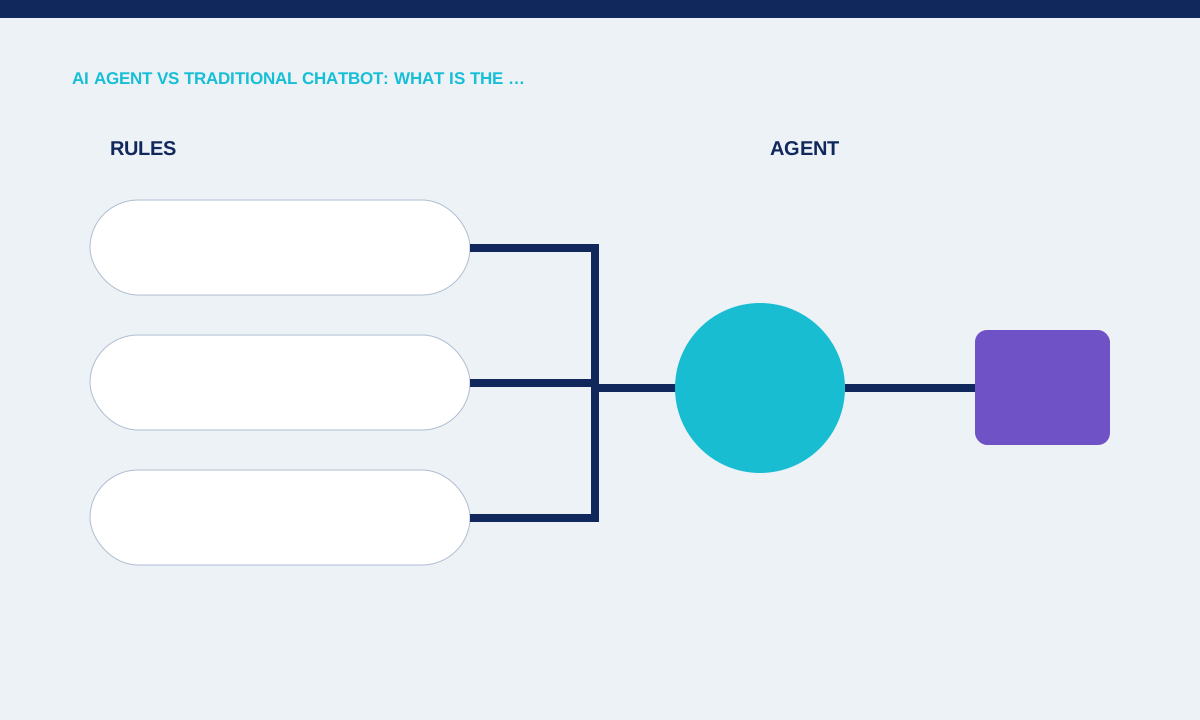
Compare how each system decides
A rule-based chatbot follows authored branches, while an AI agent can classify or compose responses within configured boundaries. Password reset choices may suit fixed rules; varied service questions may benefit from approved knowledge retrieval.
List expected requests and decide which need exact deterministic handling, flexible interpretation or human review.
A rule-based chatbot follows defined branches and is suitable when the possible questions and answers are stable. It can route visitors, collect a small set of fields or display approved information with predictable behaviour. An AI agent interprets less structured language and may use an approved knowledge source. That flexibility increases the need for testing, limits and a fallback when the request is ambiguous or unsupported.
Define knowledge and tool access
An AI response can sound confident even when the required source or system is unavailable. A basic website agent should not imply order lookup or database access unless those tools are actually connected.
Document every source, permission and unavailable action in both system behaviour and visible interface copy.
Choose from the actual support workload. Collect common questions, note how often the wording varies and identify which answers depend on current account, order or database information. A simple decision tree may be safer for a narrow task. An agent may help when visitors ask the same covered question in many forms. Neither should imply access to systems that are not connected and authorised.
Design escalation
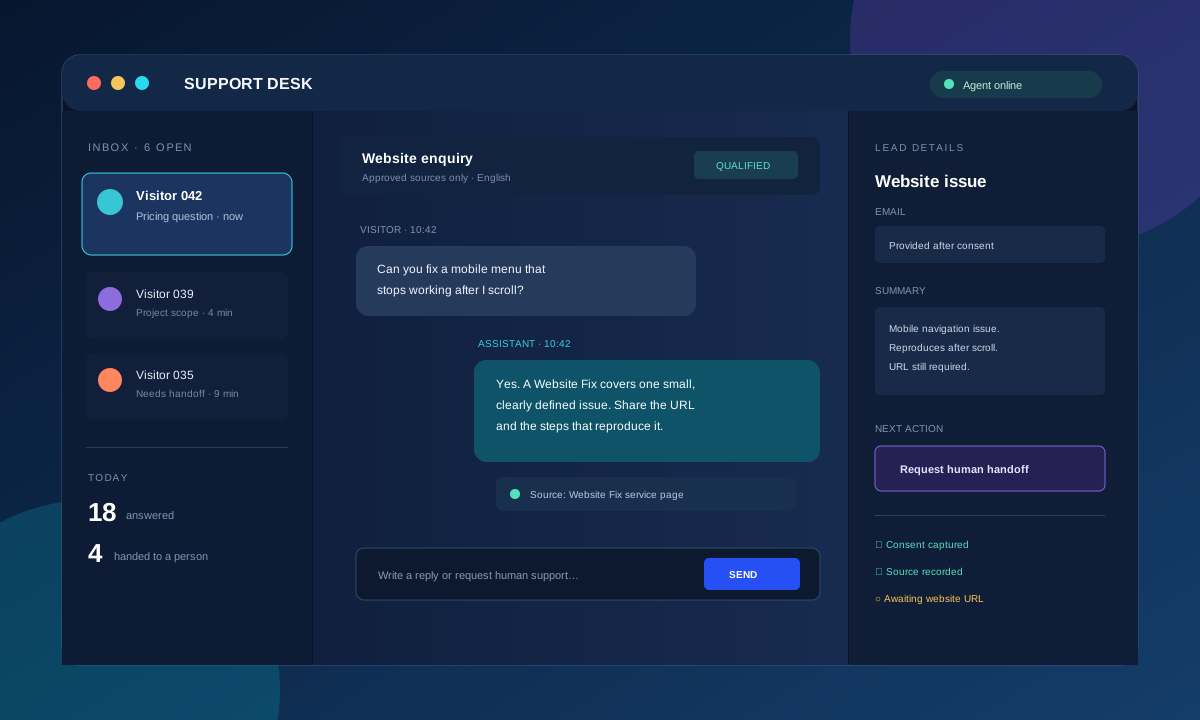
Both models need a path for unsupported, sensitive or frustrated users. A handoff should include the question and collected context without silently exposing private conversation data.
Set triggers, operating hours, consent and the owner responsible for responding after transfer.
Define allowed inputs, data sources and actions before implementation. For a website support agent, the first release may answer published service questions, capture an enquiry and hand off to a person. Order changes, refunds, account access and custom tool calls require separate security and integration work. Display that boundary in the interface so visitors know when the system can help and when a human response is needed.
Evaluate the right outcome
A conversational demo does not prove operational usefulness. Teams should inspect answer accuracy, unsupported claims, completed enquiries and failed handoffs using representative questions.
Practical checks
- Create an acceptance set before launch and review live failures under a named update process.
Evaluate complete conversations rather than isolated answers. Test routine questions, vague wording, conflicting source material, attempts to leave scope and requests containing personal information. Record the source used, response and handoff outcome. Review failures with the content owner and support team. A smaller system with reliable escalation is more useful than a broad agent whose confident answers cannot be traced or corrected.
Related service