4 min read
AI is becoming part of the website itself
Website AI is moving into everyday tasks: answering approved questions, qualifying enquiries, finding product information and handing uncertain requests to a person. The useful version has a narrow job, visible limits and a clear route to human support.
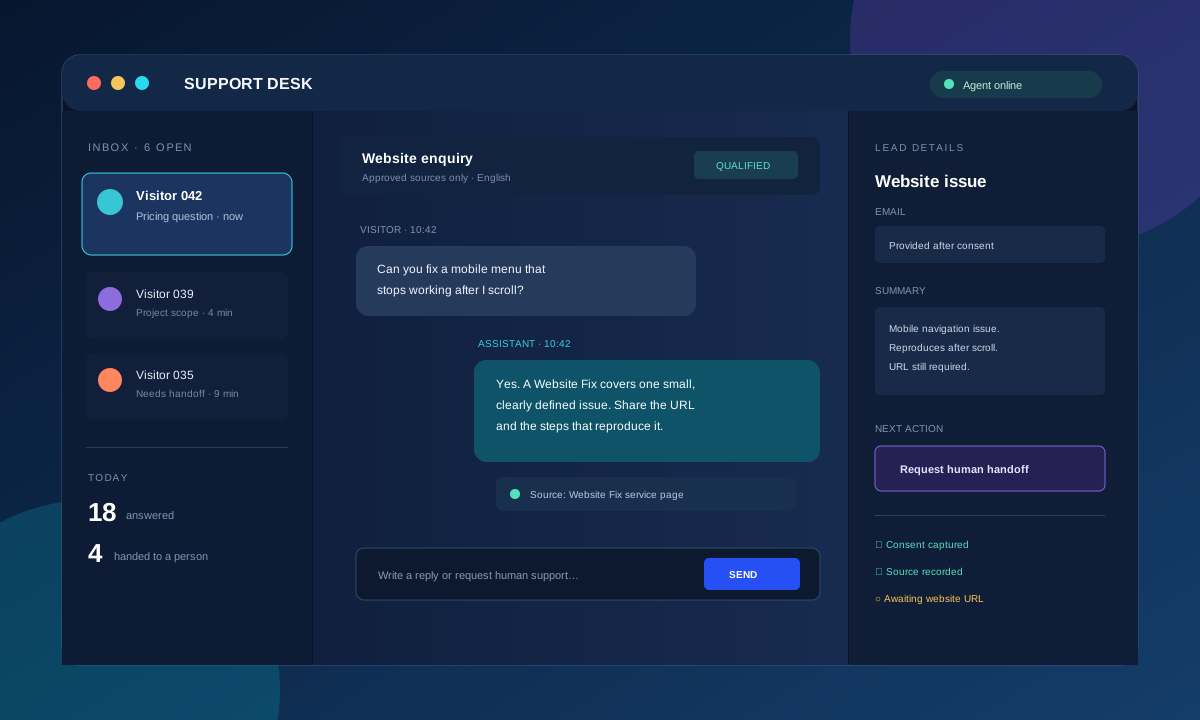
Give the agent one clear job
A useful website agent starts with a defined task, such as answering service questions or collecting the details needed for an enquiry. It should not imply that it can access orders, accounts or private records unless those systems are genuinely connected and the access has been approved.
Write the job as a short operating rule before choosing a model or chat interface. Name the questions it may answer, the information it may collect and the action it may take. This keeps a small support agent useful and gives reviewers a concrete basis for accepting or rejecting each response.
Choose the first job from real enquiries. Review recent questions and group those that can be answered from public, approved information. Keep account changes, payments, health, legal or other sensitive decisions outside the initial scope unless a separate secure integration is designed. Write example questions and acceptable answers before implementation so the team can test behaviour instead of judging whether a demonstration sounds fluent.
Approved knowledge matters more than fluent answers
Define the information the agent may use and the requests it must hand to a person.
The answer set needs an owner and an update process. Service pages, approved FAQs and written policies are usually safer sources than an unrestricted collection of old documents. When the material conflicts or does not cover the question, the agent should say so instead of composing a confident guess.
Content quality needs a routine owner. A changed price, service boundary or delivery policy can make an earlier answer wrong even when the system works as designed. Keep the approved source set small, record when it was reviewed and remove superseded pages so the agent does not choose between conflicting versions.
Treat website content as an operational source. Give each FAQ or service policy an owner, review date and single published version. Remove conflicting drafts from the source set and state when information is missing. If an answer depends on a current price, delivery area or eligibility rule, link it to the maintained source. An agent cannot remain dependable when the underlying website is allowed to become inconsistent.
Human handoff belongs in the interface
Measure whether visitors reach a useful answer or a properly structured enquiry.
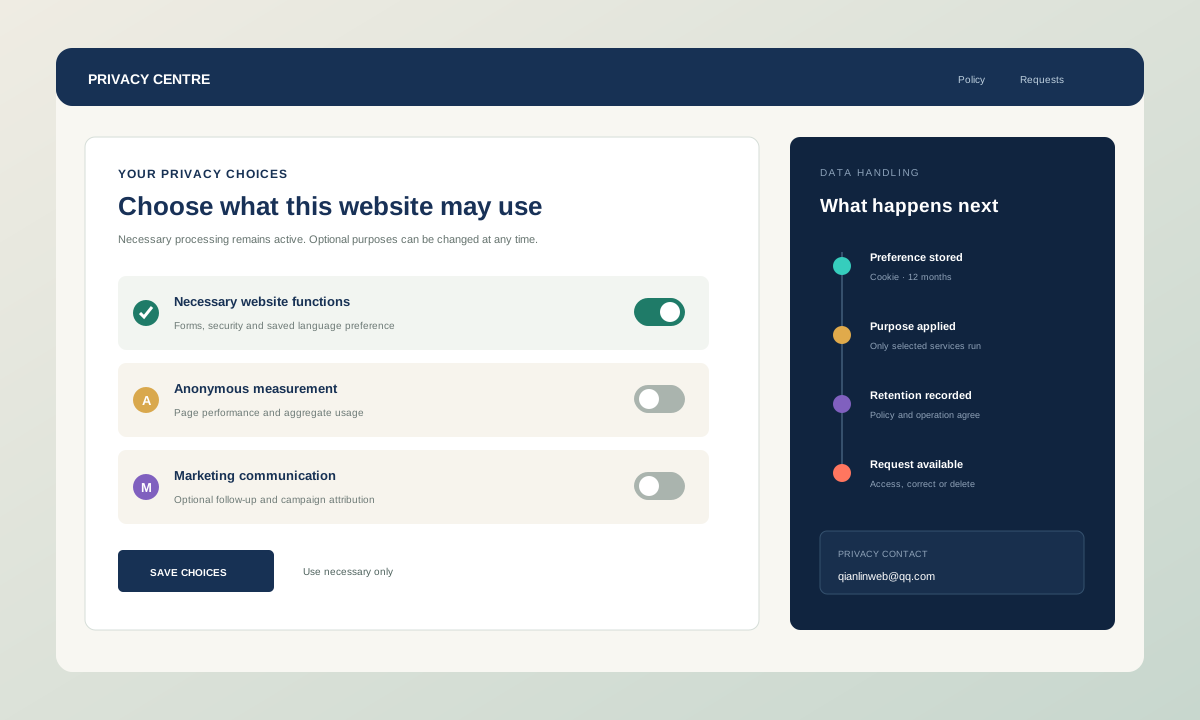
Visitors need to know when they are speaking to an automated system, what information will be recorded and how to reach a person. A handoff should preserve the useful context already collected without forcing the visitor to repeat the whole conversation.
A good handoff is a designed state, not an error message. It should explain why a person is needed, offer a practical contact route and pass along only the details the visitor agreed to share. The receiving team also needs enough context to continue the enquiry without reading a long transcript.
Design the handoff for both visitor and staff. Tell the visitor that a person is needed, show the expected contact channel and ask permission before passing details. Send the receiving team a short summary, selected topic and contact information rather than an unfiltered conversation. Provide a route to continue when live staff are unavailable. The handoff should reduce repetition without collecting more personal data than the enquiry requires.
Test routine, ambiguous and unsupported requests before launch.
Testing should include ordinary questions, vague requests, spelling mistakes and subjects that sit outside the approved scope. Review the answers, the enquiries produced and the handoffs that failed. Those examples reveal whether the agent is doing a useful job on the live website.
Practical checks
- Launch with a review log that records the question, source used, answer, fallback and handoff outcome. Sample it regularly and update the source content when the same gap appears more than once. The goal is a dependable narrow service, not an agent that tries to answer every possible question.
Write the permitted data, actions, fallbacks and human responsibilities into the first release scope before adding more automation.
Review logs with a clear purpose and retention period. Sample unsupported questions, low-confidence answers and failed handoffs, then update source content or boundaries. Do not use private conversation text as future training material without a lawful, disclosed process. A monthly review of a narrow agent can reveal recurring service questions and interface gaps while keeping human responsibility visible for every exception.
Related service