4 min read
Privacy is becoming visible in the interface
People increasingly notice what a form asks for, when tracking starts and whether a feature explains its data use. Clear field labels, restrained collection and understandable consent controls can support trust while also reducing unnecessary data handling in the software behind the page.
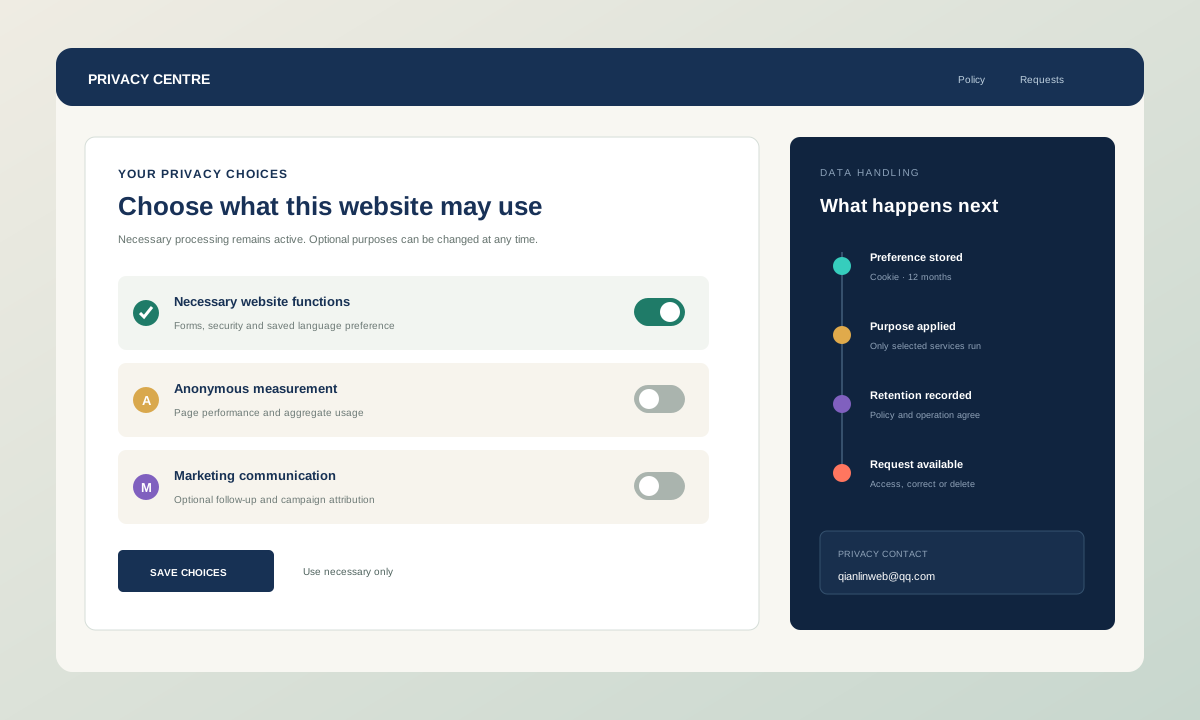
The interface reveals the data model
A form makes the website's data choices visible. Each requested field should have a practical purpose, and optional fields should not look mandatory. Short explanations close to sensitive or unusual questions help visitors decide what they are comfortable sharing.
Map each visible field to the place where its value goes: an email inbox, database, analytics tool or external service. This simple inventory exposes fields that no workflow uses and makes it easier to explain necessary processing. It also gives developers a concrete list for access control and deletion work.
Create a data inventory from the live journey. For every field, cookie and technical identifier, record where it is sent, who can access it, why it is needed and how deletion works. Include email delivery, application logs, backups and external links. This inventory supports both interface copy and engineering controls. It also prevents a privacy page from describing analytics, advertising or accounts that the website does not actually use.
Separate required data from optional processing
Collect the fields needed for the task and explain optional processing at the point of choice.
Consent controls should describe the actual processing behind them. A switch labelled analytics is only useful when it changes whether analytics runs. Necessary submission handling, optional measurement and marketing contact need separate treatment when their purposes differ.
Consent should remain understandable when someone declines an optional purpose. The main service still needs to work where the optional processing is not required. Avoid bundling analytics, marketing and enquiry handling under one vague choice, because the interface then gives neither the visitor nor the implementation team a clear instruction.
Place explanations at the decision point. A form can identify required fields and link to the privacy policy, while an optional measurement control can explain its separate purpose. Avoid forcing visitors to accept unrelated processing to send an enquiry. The labels and underlying behaviour must agree: declining an optional category should prevent that code from running, and a required service action should not be disguised as marketing consent.
Retention needs to match real operations
Keep consent, retention and deletion behaviour aligned with what the interface tells the visitor.
Retention is also an interface issue when a service stores enquiries, account information or uploaded files. The published policy, deletion process and application behaviour need to describe the same period and the same exceptions. Otherwise a clear-looking form can still create misleading expectations.
Retention rules need an operational trigger, such as a resolved enquiry or closed account, and an owner who can carry out deletion. Writing an indefinite promise into a policy does not remove old records. The product, inbox and backups should be reviewed together so the published explanation matches the systems actually used.
Retention needs dates or operational events the team can apply. Enquiries might be reviewed after a defined period, while security logs may follow a shorter schedule. Document exceptions required for disputes or legal obligations without claiming indefinite storage by default. Test deletion across the inbox, application store and backups according to the published process. Assign an owner so retention does not remain a policy statement with no corresponding action.
Provide a usable route for correction, deletion and questions.
Visitors need a working contact route for access, correction and deletion requests. The team handling those requests should know where the information is stored, which processors received it and what can legally or operationally be removed.
Practical checks
- Privacy requests should reach a monitored contact address and have a documented internal route. Confirm identity in a proportionate way, search the systems listed in the data inventory and record the response. The public page can stay concise when the team behind it knows how to complete each step.
Keep the field inventory, consent behaviour, retention rules and request route aligned with the privacy notice visitors can read.
External services should be named by function and reflected in the user journey. Opening WhatsApp moves the visitor to another provider; sending email involves the configured mail service; hosting and proxy logs process technical requests. Explain these relationships accurately without suggesting control over another provider's policy. Keep the page current when a new analytics tool, embed, account system or database is introduced, because that change alters the actual data flow.
Related service