4 min read
Commerce design is moving closer to operations
A store experience depends on more than product cards and checkout screens. Stock status, delivery rules, product data and order handling affect what customers see. Strong e-commerce design now maps the operational states behind the interface before deciding how the buying journey should work.
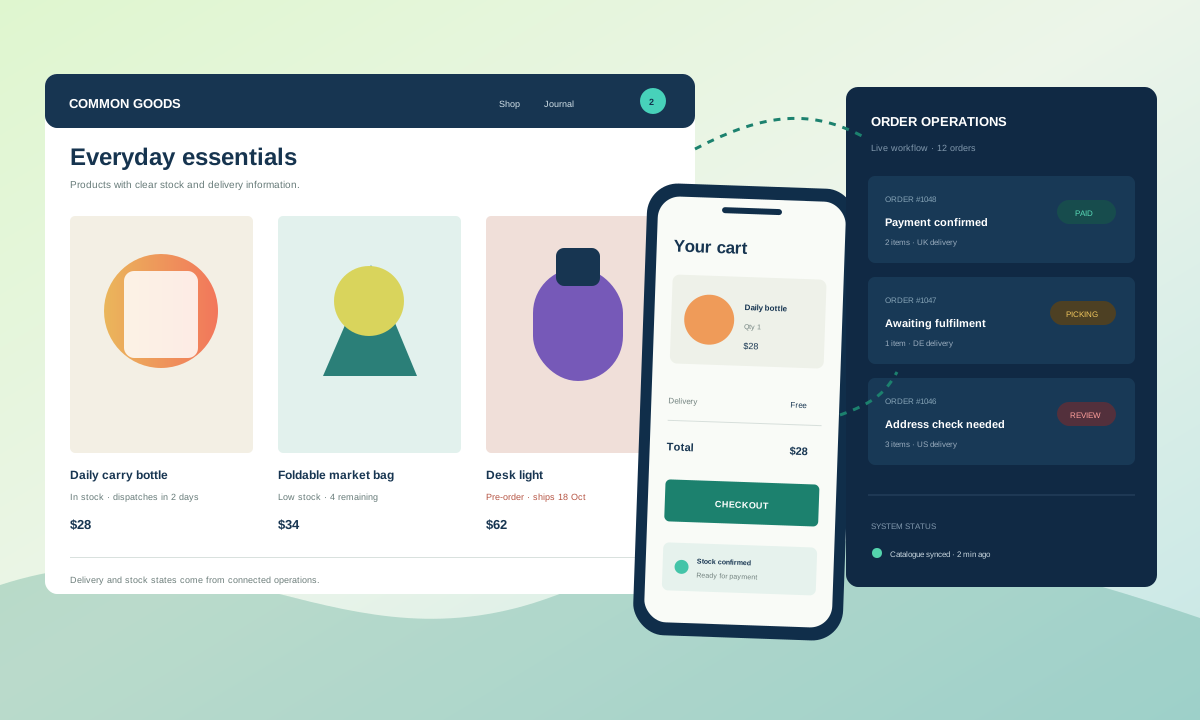
The storefront reflects the operation behind it
The product page reflects catalogue decisions made elsewhere: variants, stock, delivery eligibility, tax and returns. If those rules are uncertain, a polished layout cannot prevent confusing availability messages or failed orders later in the journey.
Document how each sellable item is identified before designing filters or variant controls. Product type, option names, stock rules and fulfilment method need consistent data. If those decisions vary by team or spreadsheet, the storefront will reproduce the inconsistency and customers will struggle to compare or select the right item.
Model product data around decisions customers and staff make. Define product types, variants, identifiers, prices, tax treatment, inventory and fulfilment rules with the people who maintain them. Test representative edge cases before finalising filters or product layouts. If the source catalogue contains inconsistent units or attributes, fix the governance or transformation process; a polished storefront cannot make unreliable source data disappear.
Catalogue structure determines useful discovery
Map catalogue, stock, delivery and return states before finalising the customer journey.
A useful catalogue groups products in terms customers understand and keeps filters connected to maintained product data. Empty categories, inconsistent attributes and duplicate variants quickly damage search and navigation, especially as the store grows.
Search and navigation need evidence from the catalogue, not only a visual concept. Test common product names, synonyms, unavailable items and combinations of filters. The result page should explain why nothing matches and offer a useful recovery route rather than presenting an empty grid with no next action.
Search, navigation and merchandising should use maintainable fields. A filter is valuable only when every relevant product carries a dependable value. Decide how synonyms, zero results, unavailable items and newly added categories behave. Give editors a documented way to add a product without breaking collections. Review the mobile journey, where several filters and sort controls can consume the screen and hide the results they are meant to refine.
Checkout contains business rules and failure states
Show unavailable or uncertain states clearly instead of allowing them to fail late in checkout.
Checkout needs clear totals, delivery timing, payment feedback and a route back from failure. Each state depends on business rules and external services. Those dependencies should be mapped before the interface is approved so error cases receive the same attention as the ideal purchase.
Map checkout exceptions alongside the ideal purchase: an address outside the delivery area, a declined payment, a price change or an item that sells out. Clear messages should preserve entered information where possible and explain what the customer can do. These states also need a route into the team's order-support process.
Checkout design includes operational failure. Map delivery restrictions, tax calculation, payment decline, stock changes, discount conflicts and address correction beside the successful route. Preserve entered information when safe, explain the next action and give support staff enough context to assist. Verify current platform capabilities rather than copying a checkout concept that cannot be implemented on the chosen plan or payment integration.
Handover must include daily product and order tasks.
Handover should explain how to add products, change availability, handle returns and recognise integration failures. This operational material matters because store quality changes every day after launch, not only when the original pages are delivered.
Practical checks
- Operational acceptance covers the administration screens as well as the public store. Ask the future operator to add a product, change a price, fulfil an order and issue a return using the handover material. Gaps found in that exercise are cheaper to fix before the store starts receiving real orders.
Include catalogue maintenance, order exceptions and third-party costs in the written scope so the storefront can be operated after launch.
Handover should let the operator complete ordinary and exceptional work. Ask them to publish a product, adjust stock, fulfil an order, cancel, refund and diagnose a failed connection using the provided documentation. Confirm permissions and audit access. Record third-party costs and support ownership. A store is ready when the customer journey and the daily administration behind it both work with representative data.
Related service