3 min read
What makes an eCommerce product page convert?
A product page helps someone understand the item, choose the right option and know what will happen after purchase. Clear data, media, availability, delivery and returns matter more than adding decorative urgency.
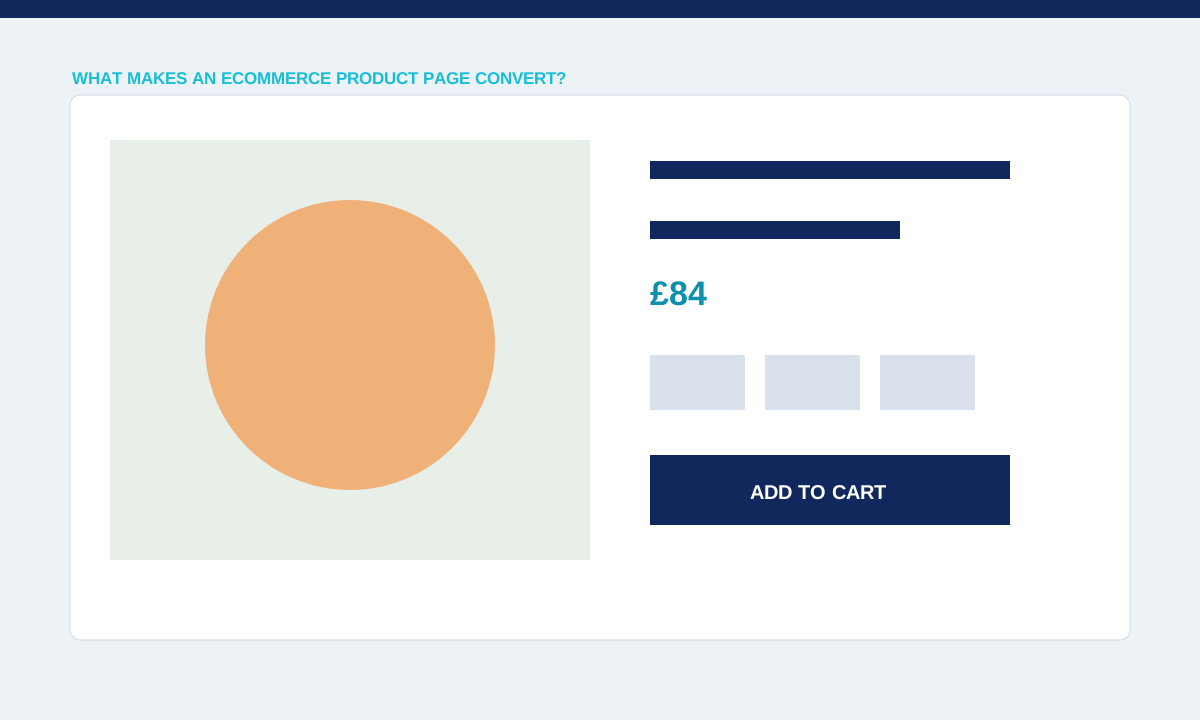
Answer the product decision
Titles, descriptions, specifications and imagery should address what the buyer needs to compare. A technical product may need dimensions and compatibility near the variant choice, not hidden in a general description.
Review support questions and returns to identify missing or misplaced information.
Product content should answer the decision specific to the item. A technical component may need dimensions and compatibility beside the variant control; clothing needs fit and material; a subscription needs billing and cancellation terms. Use headings and comparison tables where they help scanning. Avoid hiding essential facts in images because they become difficult to search, translate and access with assistive technology.
Make variants and availability understandable
Option labels, stock and price changes need immediate, consistent feedback. A colour swatch without a name or an unavailable combination discovered only in cart creates avoidable uncertainty.
Test every variant state, default selection, keyboard path and out-of-stock message.
Variants need names, availability and price feedback that remain clear on mobile and by keyboard. Show the selected state in more than colour alone and explain combinations that cannot be purchased. Preserve the selection when another option changes where possible. Test long option names, sale prices, low stock and out-of-stock recovery. The customer should understand what will enter the cart before pressing the action.
Explain delivery and returns
Timing, location limits and return conditions affect the purchase decision. Generic shipping copy can conflict with the actual address or product selected.
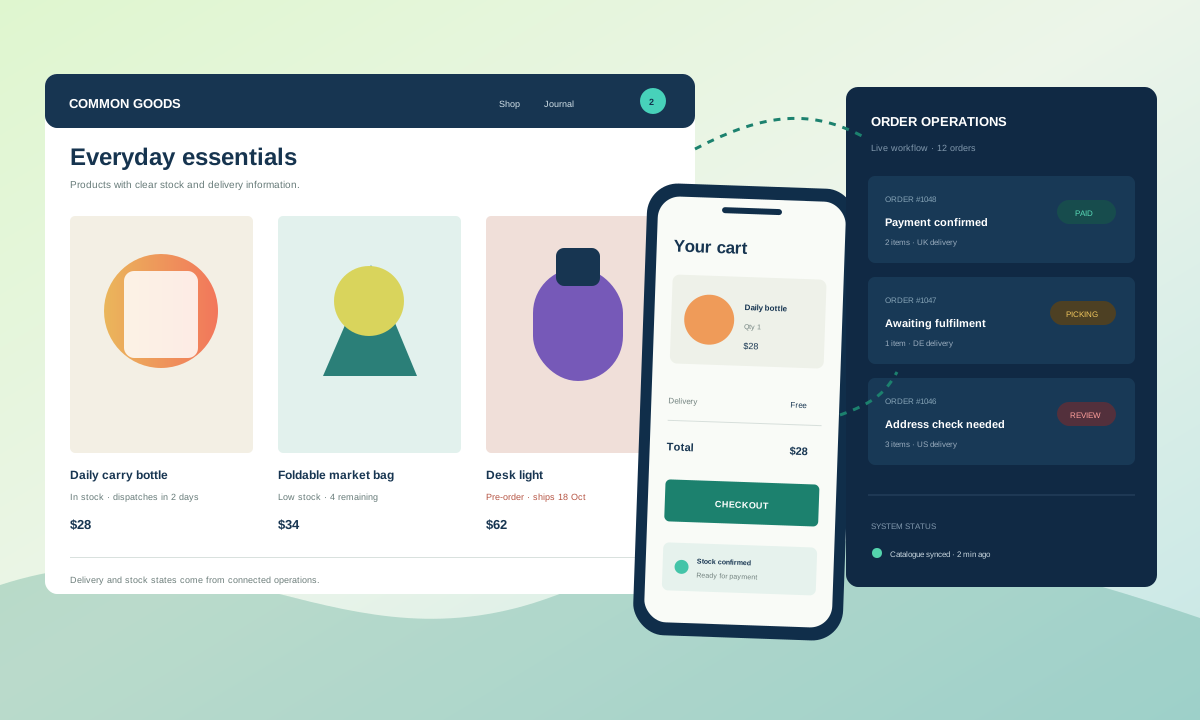
Connect displayed promises to current operational rules and show when a final value is calculated later.
Delivery, returns and final cost belong close to the purchase decision. Display information that is known and explain when an address or later step determines the exact value. Keep public wording aligned with operational rules so staff do not need to correct the page after every enquiry. If products have different restrictions, connect the message to the selected item instead of repeating a generic site-wide promise.
Protect the add-to-cart path
The action needs visible feedback and a recoverable response when inventory or network state changes. A silent button failure can look like user error and lead to repeated clicks.
Practical checks
- Test mobile reach, loading, errors, cart contents and analytics without blocking the transaction.
The add-to-cart path needs immediate, accessible feedback and a recoverable failure state. Confirm the item, variant, quantity and price that were added, then provide routes to continue or view the cart. Prevent repeated clicks while a request is processing without trapping the user. Test inventory changes and slow network responses. Measurement can observe the action, but it must not delay or block the transaction.
Related service