3 min read
Landing page vs business website: which one do you need?
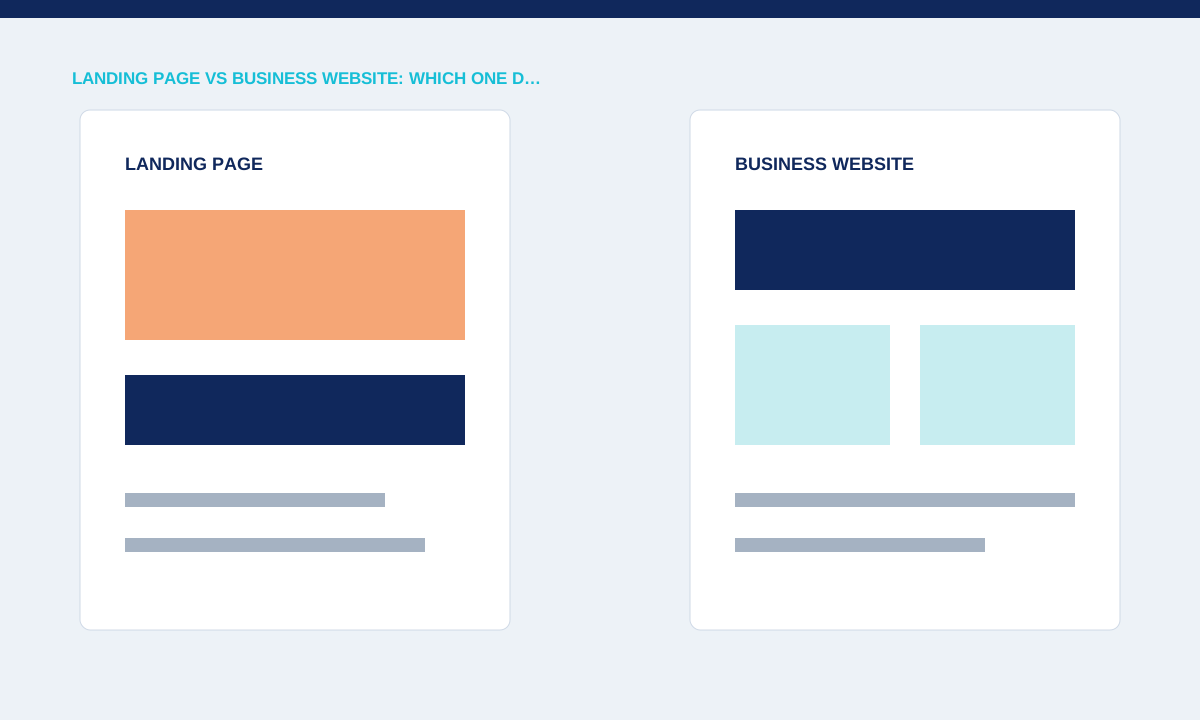
A landing page supports one defined campaign action, while a business website explains a broader offer and serves several visitor paths. Choosing between them depends on traffic source, decision complexity and what evidence people need.
Match the page to the traffic
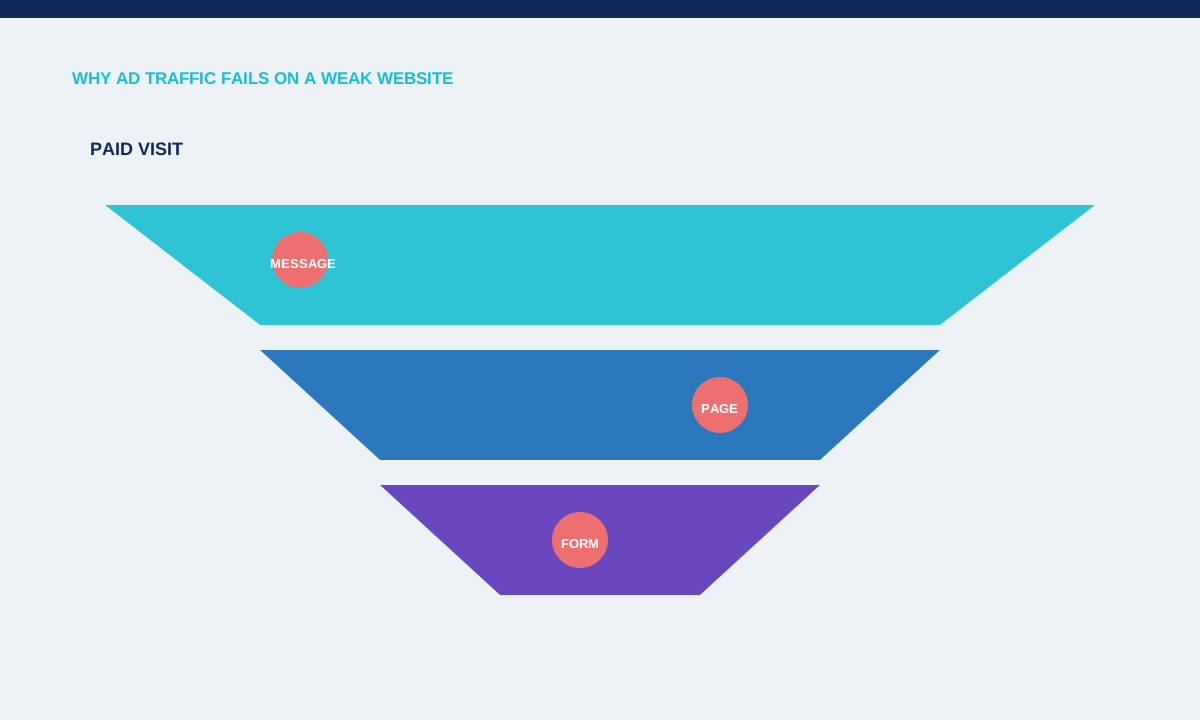
Campaign visitors arrive with a specific promise, keyword or audience context. A focused page can continue that message without asking people to navigate a broad corporate structure.
List each traffic source and confirm that the headline, offer and action match what the visitor clicked.
A landing page supports one campaign, audience and action. It can match an advertisement closely, remove unrelated navigation and answer the objections connected to that offer. A business website serves broader discovery: several services, company information, legal details, resources and contact paths. Decide which job is required before choosing length or visual treatment. A single page cannot replace missing company context for every visitor.
Account for decision complexity
Some offers need pricing, service detail, proof, legal information and company context across several pages. Forcing a complex B2B decision into one long page can hide the information different stakeholders need.
Map the questions before deciding whether one page or a connected site answers them more clearly.
Use a landing page when the source and message are controlled, such as a focused paid campaign or event. Keep the promise consistent from ad to heading, explain the specific offer and ask only for information needed for the next step. Link essential privacy and identity details. Visitors who need to investigate the wider company should still have a clear route to the main website rather than reaching a dead end.
Choose one measurable action
A landing page works best when its form, call or purchase action is explicit. Several equally prominent destinations make campaign performance harder to interpret.
Define the conversion event and test confirmation, notification and tracking before sending traffic.
Use a business site when visitors arrive with different questions or need to compare services. Separate detailed topics into durable URLs and create navigation that reflects how buyers explore. Search visibility also benefits from pages that answer distinct intents without forcing every subject into one long homepage. The site can still include focused campaign pages; they work as entry points within a larger, maintained information system.
Plan how the assets work together
A campaign page still needs a trustworthy relationship with the main domain and brand. Visitors may check About, Privacy or service pages before submitting even when the campaign is focused.
Practical checks
- Keep identity, analytics, consent and contact information consistent across both destinations.
Measure each format against its own action. For a campaign page, review message match, completion and lead quality. For a business website, also examine navigation paths, service-page engagement and the enquiries each route produces. Keep tracking definitions stable and respect consent choices. The right format is the one that provides enough context for the visitor's decision and a working operational handoff.
Related service