3 min read
Why ad traffic fails on a weak website
Paid traffic cannot correct a page that changes the promise, loads poorly, hides essential information or fails at the enquiry step. Diagnose the website journey before increasing spend or attributing every problem to campaign targeting.
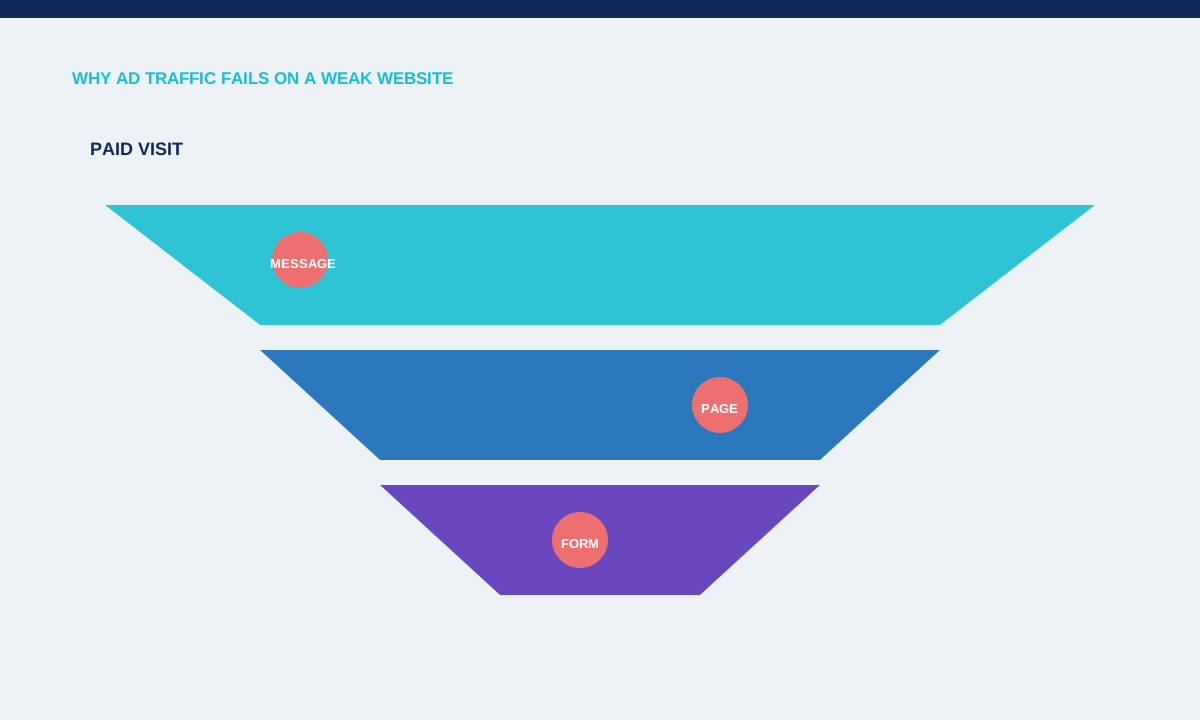
Check message continuity
The page should clearly continue the offer and audience expectation created by the advertisement. An ad for a specific repair service should not land on a generic homepage that makes visitors search again.
Compare keywords, ad copy, headline, offer details and primary action for each campaign group.
Message mismatch is visible when an advertisement promises one offer and the landing page opens with a broad company statement. Carry the same service, audience and qualification into the first heading and supporting copy. If the offer has conditions, state them near the action. Visitors should not have to search the navigation to confirm that they arrived at the right place after paying attention to a specific advertisement.
Remove avoidable page friction
Slow loading, intrusive overlays and weak mobile layout consume attention before the offer can be understood. A consent banner or chat widget that covers the action can affect mobile visitors disproportionately.
Test first-load performance, viewport obstruction, navigation and form use on representative devices.
A page also fails when it cannot answer the next practical questions. Include scope, price context where available, relevant proof, exclusions and what happens after the form. Remove unrelated promotions that compete with the campaign action. Test the page on the device and connection used by the audience; a heavy hero or obstructive consent layer can consume the short period in which a paid visitor evaluates the offer.
Provide decision information
Visitors need enough detail to judge relevance, risk and next steps. A short slogan without scope, location, price context or proof can attract clicks while producing weak enquiries.
Review the questions sales receives repeatedly and answer the relevant ones near the action.
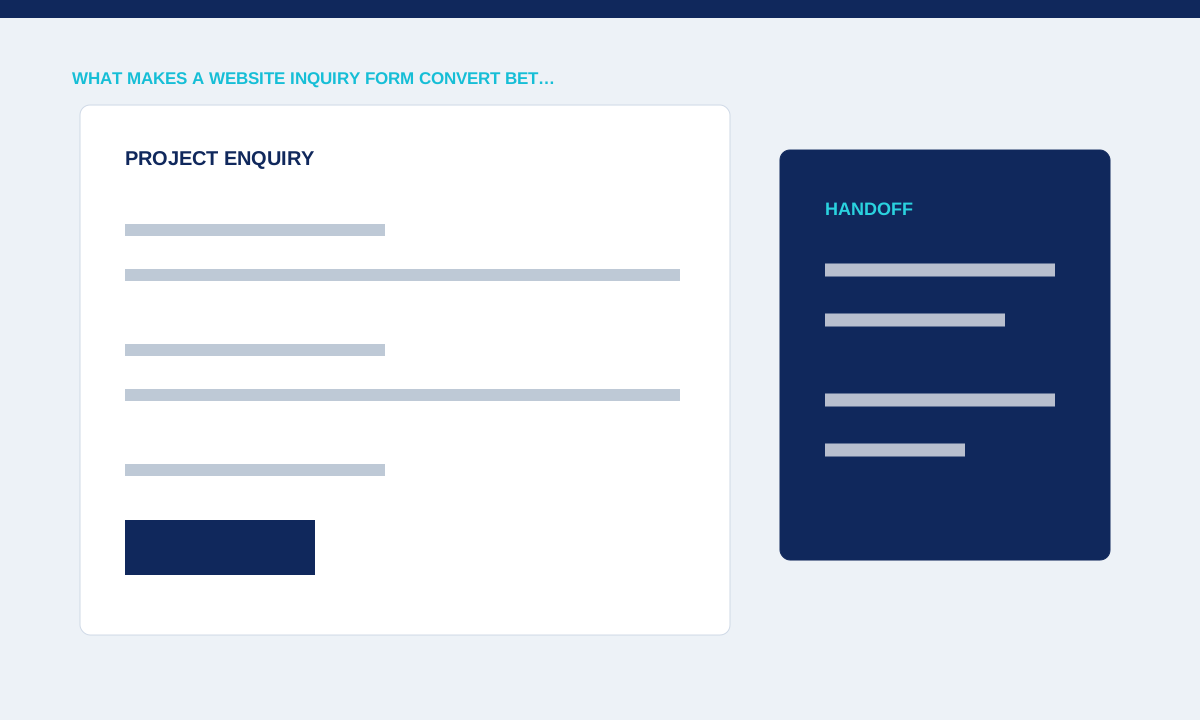
Form design affects both completion and lead quality. Ask for the minimum information required to respond usefully and explain unusual fields. Validate clearly, preserve entries after an error and confirm only after the enquiry reaches its real destination. A very short form can create unusable leads, while a long qualification form can deter suitable ones. Choose fields from the follow-up workflow rather than copying another landing page.
Verify measurement and handoff
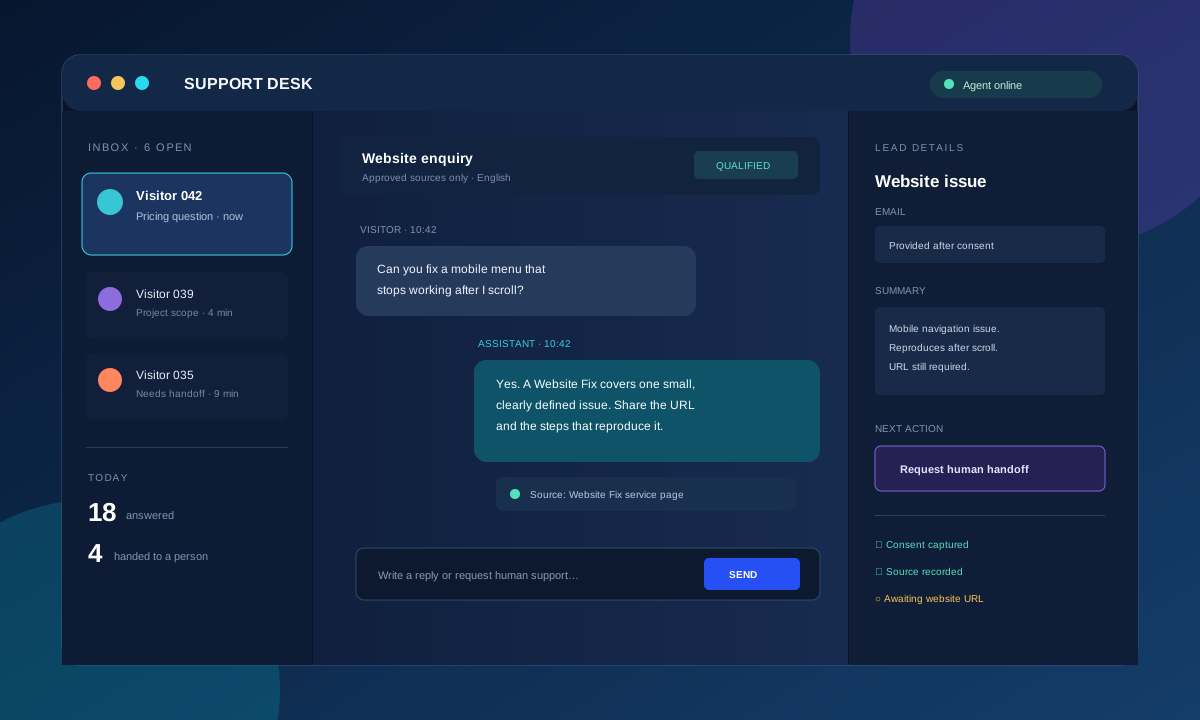
A recorded click is not evidence that the business received and handled an enquiry. Broken notifications or inconsistent confirmation pages can make working campaigns look ineffective.
Practical checks
- Submit test leads, verify attribution fields and follow the record into the operational inbox or system.
Diagnose the chain with consistent definitions. Compare campaign, page, action and operational outcome without claiming that one metric proves revenue. Check whether tracking fires after consent, whether redirects preserve campaign parameters and whether staff can identify the originating offer. When data is missing, state that gap. Repair measurement and the enquiry path before increasing spend on traffic whose result cannot be observed reliably.
Related service